
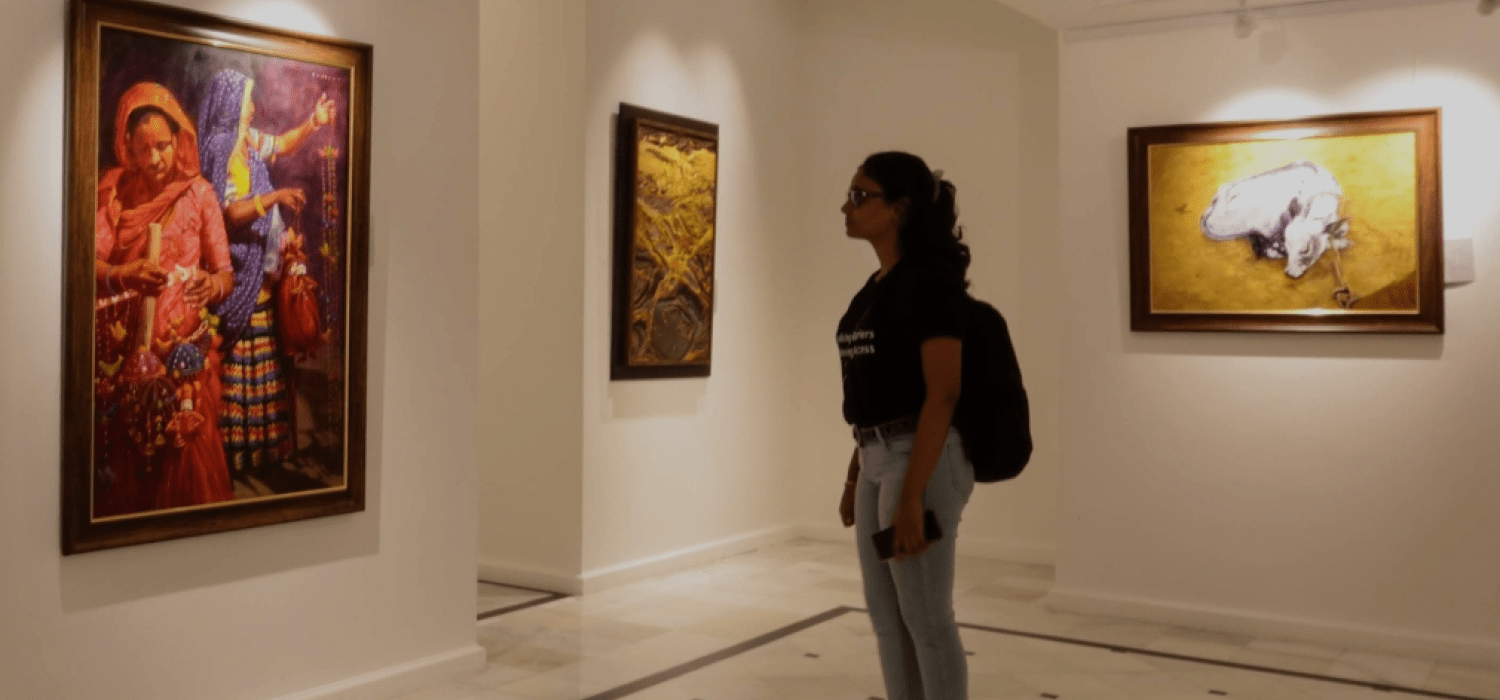
There is a fascinating shift happening in the art market right now. For decades, the phrase "art collector" conjured a very specific image: an established individual, usually later in their career, walking the quiet floors of elite auction houses or high-end galleries.
Today? That picture has completely changed.
We are living in the era of the multigenerational art ecosystem. Gen Z has officially entered the chat—bringing an analog-meets-digital "vinyl revival" energy to the market—while veteran collectors are adopting digital tools faster than ever before.
Art collecting no longer has an age limit, a strict tax bracket, or a single aesthetic. Whether you are 22 or 72, the motivation remains inherently human: the search for identity, legacy, and connection.
1. The Gen Z Disruption: Value, Identity, and "The Story"
While older generations may have entered the art market looking for established names as stores of value, Gen Z and younger Millennial are flipping the script. Recent 2026 data shows that for younger buyers, collecting is less about financial speculation and more about cultural participation.
- The Draw: They gravitate toward emerging creators, limited-edition prints, digital art, and works deeply rooted in social impact, climate consciousness, and diverse identity narratives.
- The Medium: They discover artists through Instagram and TikTok but crave authentic, hybrid experiences such as studio visits, artist diaries, and meaningful connections with the creator.
2. The Seasoned Eye: Legacy, Context, and Longevity
On the other side of the spectrum, seasoned Gen X and Baby Boomer collectors continue to provide the structural backbone of the art world. Their focus has shifted beyond short-term market hype toward building thoughtful, intentional collections with lasting value.
- The Draw: Cohesion, historical depth, and long-term patronage. They recognize that meaningful collections are built by understanding an artist’s lifelong creative journey.
- The Medium: While galleries and art fairs remain important, many veteran collectors now actively purchase directly from artists online and use digital platforms to discover global talent.
Where All Generations Meet
Despite the difference in how we buy, the why remains identical across age groups.
- The Death of "Flipping": Across all demographics, speculative "art flipping" has cooled down. The market is stabilizing around people who actually want to live with the art they buy.
- Community as Currency: Art is moving out of private vaults and into active life. It sits alongside conversations, philanthropy, and home design. We are all using art to say: "This is who I am, and this is what I value."
The New Rules of Engagement for Galleries and Artists
If you are an artist, gallery owner, or art advisor trying to navigate this new landscape, you can no longer afford to speak to just one age demographic. To thrive today, you must build bridges:
- Be Radically Transparent: Clear pricing, digital previews, and accessible provenance build instant trust with next-gen buyers without alienating veterans.
- Tell the Whole Story: Don't just show the finished canvas. Share the process, the inspiration, and the mistakes.
- Offer Multi-Tiered Portfolios: Balance blue-chip or high-end originals with high-quality prints and multiples. An entry-level print buyer at age 23 is your primary original canvas collector at age 40.
Let's Start a Conversation
Whether you bought your first piece in 1980 or 2026, what was the very first artwork you collected, and what made you fall in love with it? Share your story in the comments below.